Understanding the Importance of Tear Strength Testing in Modern Textiles
In the textile and material testing industry, evaluating fabric tear strength is essential for ensuring product durability and performance. The elmendorf tear test is one of the most widely recognized methods used to measure tear resistance in fabrics, nonwoven materials, paper, and industrial textiles. This test helps manufacturers elmendorf tear tester manual understand how a material behaves when subjected to sudden stress or tearing force.
The concept of tear strength refers to the ability of a fabric to resist the propagation of a cut or tear once it has started. This is different from tensile strength, which measures resistance to pulling forces. In real world applications, materials often fail due to tearing rather than stretching, making the tear strength test method a critical part of quality control.
Industries such as apparel, automotive textiles, packaging, and protective materials rely heavily on accurate tearing strength test data to improve product reliability and safety.
Elmendorf Tear Test Method and Its Industrial Significance
The elmendorf tear test is a standardized procedure used globally to determine tear resistance. It measures the force required to propagate a pre cut slit in a fabric using a pendulum based system. This test is widely accepted under ASTM and ISO standards, ensuring consistent and reliable results across laboratories.
The tearing test process begins by preparing a specimen with a small cut. The sample is then placed in the elmendorf tearing strength tester, where a pendulum releases energy to continue the tear. The energy loss during tearing is measured and converted into tear strength values.
This method is especially important when evaluating tear resistant fabrics used in protective clothing, industrial covers, and high performance materials. It provides manufacturers with essential data on tear resistance, tear propagation behavior, and overall material durability.
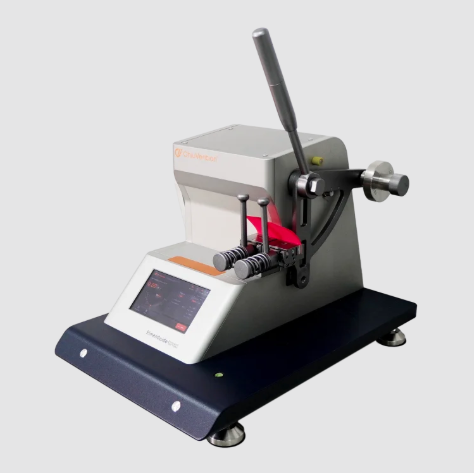
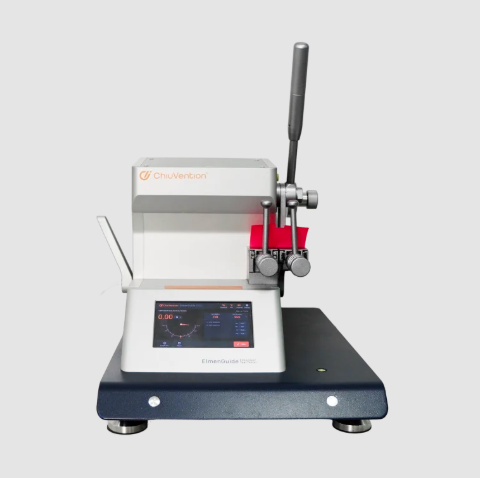
Elmenguide Automatic Elmendorf Tear Tester by ChiuVention
ChiuVention offers a highly advanced solution for fabric testing through its Elmenguide Automatic Elmendorf Tear Tester. This tearing tester is designed for precision, automation, and compliance with international testing standards.
The device provides accurate measurements of elmendorf tear strength, making it suitable for laboratories and industrial quality control environments. With its automated testing system, it reduces human error and improves repeatability of results.
One of the key advantages of this tear testing machine is its IoT integration. This feature allows users to monitor test data digitally, manage reports efficiently, and enhance laboratory productivity. The smart connectivity also supports modern quality management systems in textile manufacturing.
Applications of Tear Resistance Testing Across Industries
Tear resistance test methods are widely used in multiple industries where material durability is critical. In textiles, it ensures that fabrics used in garments, upholstery, and outdoor equipment can withstand real world stress.
In packaging industries, tear strength testing helps evaluate the durability of paper and flexible packaging materials. Automotive manufacturers use tearing resistance tester systems to test interior fabrics, airbags, and seat materials.
Medical textile applications also depend on accurate tear strength data to ensure safety and performance of surgical gowns and protective coverings.
The fabric tear evaluation process is therefore essential in maintaining quality standards and improving product life cycle performance.
Key Features and Benefits of Modern Tear Testing Equipment
Modern tear tester systems like the Elmenguide model are designed to provide high precision and ease of use. Some of the key benefits include automated operation, digital data output, and compliance with international standards such as ASTM and ISO.
The system ensures accurate measurement of tear strength of fabric definition, helping manufacturers maintain consistency in production. It also supports advanced testing requirements such as tear strength vs tensile strength comparison, giving deeper insights into material behavior.
Additionally, the system is designed for long term reliability, making it suitable for continuous laboratory use.
Choosing the Right Tear Strength Tester for Your Laboratory
When selecting a tearing strength tester, factors such as accuracy, standard compliance, automation level, and data management capabilities should be considered. A high quality tear testing machine ensures reliable results and reduces operational errors.
ChiuVention focuses on providing advanced laboratory testing solutions that meet modern industrial requirements. Their equipment is designed to support research institutions, quality control labs, and manufacturing industries with efficient and accurate testing performance.
Conclusion
The elmendorf tear test plays a vital role in evaluating the durability and reliability of modern fabrics and materials. With increasing demand for high performance textiles, accurate tear resistance testing has become essential for quality assurance across industries.